

How to Specify Bicycle Brake Rotor Diameter and Mounting Interface
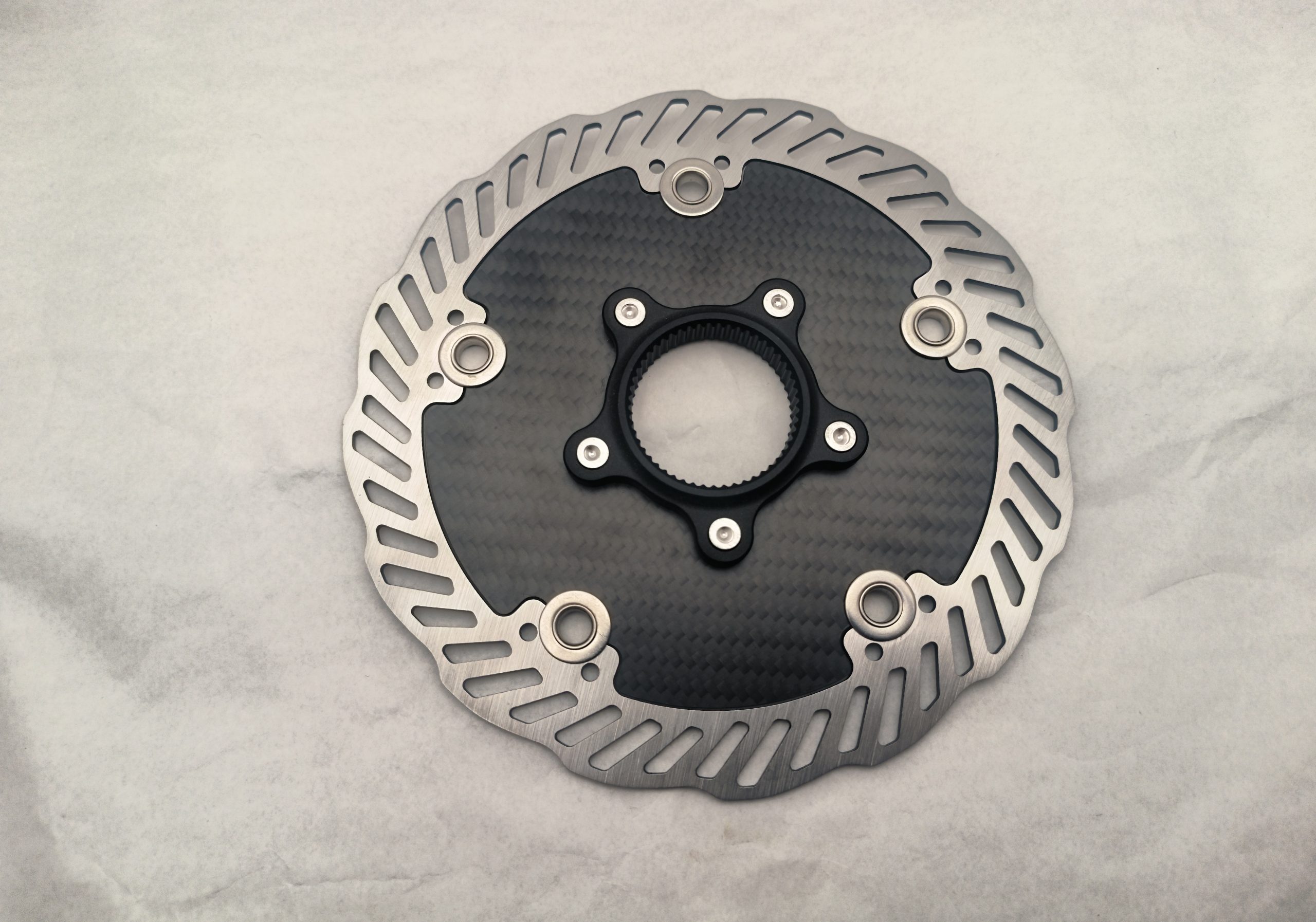
A bicycle brake rotor inquiry is easier to review when the buyer separates two basic decisions: rotor diameter and mounting interface. These details affect compatibility, drawing review, packaging, and the questions a supplier must resolve before quotation.
This guide is written for bicycle brands, distributors, wholesalers, repair networks, and OEM projects preparing an RFQ. It does not replace the bicycle or brake-system manufacturer’s compatibility instructions.
Quick Answer for Buyers
To prepare a bicycle brake rotor RFQ, confirm the outside diameter, nominal thickness, mounting interface, brake-system reference, front or rear position, intended application, estimated quantity, and destination. Add a dimensioned drawing, verified sample, or clear photos when available. A diameter or product photo alone is not enough to confirm compatibility.
Start With the Existing Bicycle or Brake System
Before choosing a rotor, record the bicycle category, brake-system reference, front or rear position, and the rotor currently used. A photo can help, but a photo alone may not show every critical dimension.
- Bicycle or application category
- Brake caliper or brake-system reference
- Front or rear installation position
- Existing rotor model or drawing, when available
- Intended replacement, assembly, wholesale, or OEM use
If the project is based on an existing sample, provide clear photos of both sides and a dimensioned drawing or measurement sheet when possible.
Confirm the Rotor Diameter
The outside diameter should be stated as a measured or drawing-controlled value. Do not rely only on a product photo or a general description such as “MTB rotor.”
- Required outside diameter
- Nominal rotor thickness
- Any dimensional tolerance already defined by the buyer
- Front or rear position
- Target bicycle and brake-system application
Different diameters may require different adapters or system configurations. Final compatibility should therefore be confirmed against the relevant bicycle and brake-system requirements rather than inferred from diameter alone.
Identify the Mounting Interface
The mounting interface describes how the rotor connects to the hub. Common project discussions include 6-bolt and center-lock-style interfaces, but the buyer should provide the exact interface required for the target system.
Information for a 6-bolt inquiry
- Bolt-hole quantity
- Pitch circle or hole-position drawing
- Center-hole dimensions
- Bolt-hole diameter or slot details
- Orientation or marking requirements, if applicable
Information for a center-lock-style inquiry
- Hub and lockring reference
- Interface drawing or verified sample
- Critical fit dimensions
- Any washer, lockring, or assembly assumptions that must be reviewed
QUNKE should not confirm compatibility from a generic interface name alone when the exact drawing, sample, or system reference is still missing.
Separate Compatibility From Appearance
Visual design does not prove fit. Two rotors may look similar while differing in diameter, thickness, mounting geometry, offset, edge profile, or intended brake-system use.
- Technical: diameter, thickness, interface, critical dimensions and system reference
- Appearance: cutout pattern, color, surface finish, marking, logo and packaging presentation
This separation helps prevent a visual reference from being treated as a complete manufacturing specification.
Add Drawing and Measurement References
For a new or customized project, a clear technical package reduces repeated questions. Buyers can prepare:
- PDF drawing with controlled dimensions and notes
- DXF file for applicable two-dimensional geometry
- STEP or STP file for applicable three-dimensional review
- Photos of the existing part or assembly
- A marked-up measurement sheet
- Packaging or label reference when already defined
File formats and feasibility should be confirmed during review. If a drawing conflicts with a sample or written requirement, the buyer and supplier should resolve the difference before quotation or production confirmation.
Include Quality Discussion Points
- Dimensional inspection points
- Flatness or runout discussion
- Surface and edge requirements
- Finish and marking requirements
- Packaging protection and identification
- Sample or pre-production review expectations
Only confirmed requirements should be included in the final specification. Material, treatment, tolerances, tests, and acceptance criteria should not be assumed. Review the QUNKE quality control discussion when preparing project-specific inspection points.
Prepare the Commercial RFQ Context
- Estimated quantity or quantity range
- Destination country or city
- Packaging and labeling needs
- Project stage: evaluation, sample, trial, replacement, or production planning
- Target timing, if the buyer has one
The supplier can then review feasibility before confirming price, MOQ, lead time, tooling, or other commercial terms. Buyers preparing an initial project can also review the sample and trial-order process.
Bicycle Brake Rotor RFQ Checklist
- Bicycle and brake-system application
- Front or rear position
- Rotor outside diameter
- Nominal thickness
- Mounting interface
- Critical mounting dimensions or reference
- Drawing, sample, or product photos
- Finish, marking, and packaging requirements
- Quality or inspection points
- Estimated quantity and destination
For a complete purchasing-information list, use the published Brake Rotor RFQ Checklist for B2B Buyers and the bicycle brake rotor product page.
Bicycle Brake Rotor Diameter and Mounting FAQ
Is rotor diameter enough to confirm compatibility?
No. Diameter is important, but the mounting interface, thickness, brake-system reference, position, and other fit details may also need review.
Can a supplier confirm the mounting interface from a photo?
A photo can support the discussion, but a drawing, verified sample, dimensions, or system reference provides better evidence for technical review.
Should buyers send both PDF and CAD files?
When available, a dimensioned PDF drawing and an applicable CAD file can support different parts of the review. The accepted file set should be confirmed for the specific project.
Where can buyers send rotor drawings and requirements?
Use the QUNKE Contact / RFQ form to send the project summary and arrange a controlled exchange of drawings, photos, and specification files.
What should a buyer provide for a 6-bolt or center-lock-style inquiry?
Provide the exact mounting-interface requirement, the relevant hub or brake-system reference, critical dimensions, and a drawing or verified sample when available. Do not rely on the interface name alone for final compatibility.
Ready to prepare a rotor inquiry? Send the confirmed application, dimensions, interface, quantity range, destination, and available reference files through the Contact / RFQ page.
If you are deciding between rotor constructions, also read the Floating vs One-Piece Bicycle Brake Rotors B2B Sourcing Guide.
For projects involving drawings, branding or custom development, see QUNKE OEM / ODM bicycle parts support.